EV discounts: are they a short-term solution with long-term problems?
Optimistic residual value projections for EVs have left vehicle leasing firms “millions and millions” out of pocket

Heavy discounts on new electric cars may be designed to stimulate the sluggish EV market, but the move increasingly looks like a short-term solution. Why? Because it brings concerning, longer-term effects; increasing downward pressure on values of used EVs, with slower overall growth of the UK’s electrified fleet.
High prices and heavy depreciation have been long-standing deterrents when it comes to private buyers considering electric vehicles, along with fears over charging availability and range. So, depressed demand from consumers has been met with seemingly too-good-to-be true discounts which have, at least until now, helped manufacturers towards meeting the tough targets set by the Government’s ZEV mandate.
These objectives – or at least the fines manufacturers receive for not meeting them – could soon be in line for change, because later this month the Government’s consultation with the industry comes to an end, with some firms describing the current situation as affecting the “viability of thousands of jobs and billions of pounds in investment”.
Yet although deals and discounts have been driven by the desire to avoid hefty fines, leasing companies offering vehicles to fleets have mainly been caught off guard by optimistic forecasts of used values. Companies advertising EVs at eye-catching rates have been left out of pocket when contracts end, with cars returning for disposal at auction worth much less than was originally predicted.
Auto Express spoke to Philip Nothard, insight director for motor-industry data services firm Cox Automotive. He said that “while attractive incentives and discounts may benefit consumers and fleet operators in the short term, they contribute to depreciation concerns for the used EV market. A surplus of heavily incentivised new BEVs entering the market devalues them far more quickly when they return
as used vehicles.”
Mark Bassford, director at Auto Data Solutions (ADS), told Auto Express that vehicle valuation firms have historically been “naive” when it comes to predicting the future value of EVs. He explained how companies “based EV pricing projections on their experience of ICE vehicles, but they didn’t perform in the same way”.
Auto Express research shows that the Tesla Model 3, for example, was predicted to retain 62 per cent of its value after three years and 36,000 miles of ownership. Looking at data from 2024, however, the same car is only expected to hold on to 55 per cent of its original price – and the Tesla fares much better in this regard than many of its electric brethren.
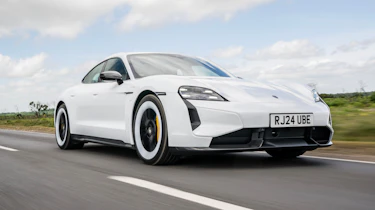
The Porsche Taycan, like most models from the German brand, was predicted to be a strong performer on the used market, with estimates claiming it’d retain 65 per cent of its initial value over the same three-year period. Now, forecasters reckon the sporty EV will only cling onto about 45 per cent of its asking price, resulting in a minimum loss of around £56,000.
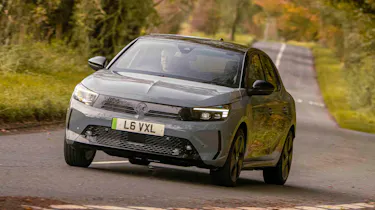
The top-selling Vauxhall Corsa Electric is another major offender in terms of depreciation; forecasts in 2021 said the supermini would be worth 46 per cent of its value after three years – almost the same as the petrol model. However, its residuals have since fallen off a cliff, with the latest forecasts suggesting that a new Corsa EV will only be worth 29 per cent of its original price in three years.
The car industry’s optimism 36 months ago may appear short-sighted in today’s market, but Nothard was keen to give some context: “EVs are relatively new to the market, and their rapidly advancing technology makes older models less appealing. Unlike traditional combustion-engine vehicles, which have established historical trends, EVs lack a clear track record for future depreciation.”
Still, ADS commercial director Amanda Morgan told us that the issue is affecting leasing firms of all sizes, particularly those at the lower end. She claims to know of one firm that in her view “wouldn’t be here now”, but for it being owned by a bank.
“Companies are having to make provisions for any sort of profit or loss – something that didn’t used to be a thing,” she told us. “There’s a lot of unrest. Some want compensation [from data forecast firms] because they are losing millions and millions.”
We brought these concerns to CAP HPI – arguably the UK car industry leader when it comes to vehicle valuations and residual projections. Its head of forecast strategy, Dylan Setterfield, told Auto Express that the firm is “very open regarding our forecasts and their assumptions”.
“Three years ago, we took the view that used values for battery-electric models were unsustainably high. We applied negative adjustments to our forecasts, over and above the expected future market movement. “Some of our customers described our adjustments on individual electric models as excessive,” he said, “while others saw them as prudent.”
Setterfield added that CAP HPI assumed significant reductions in used values in 2021 and blamed unforeseen events, such as Russia’s invasion of Ukraine, as the reason behind greater-than-expected EV depreciation.
While falling prices appear to be great news for consumers, the issue isn’t clear cut. Weak residuals mean higher finance rates, making new electric models less attractive. Fewer new cars means reduced supply on the used car market too, ultimately translating into higher prices.
There is some light at the end of the tunnel, though; residual values of EVs are expected to strengthen over time and, according to Nothard, the market is already seeing signs of improvement.
He explained how a “projected inflection point in 2027” could see resale values strengthen “as EVs become the norm, rather than the exception”.
That said, it appears that things are likely to get worse before they get better. Morgan told us that he thought lenders will try to extend the leases of their current portfolios in order to recoup as much cash as possible. He also hinted that there could be “some mergers and acquisitions” happening, in order to prevent businesses from going into receivership.
In the market for a new electric family car? These are our picks for the best electric SUVs to buy...