Volkswagen ID.3 Neo prices announced: full details on VW’s vital Golf-size EV facelift
Available with three battery sizes, the ID.3 Neo starts from £31,580
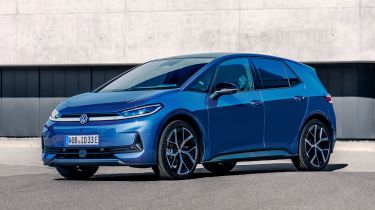
Prices rarely go down nowadays, and that’s certainly the case for the new Volkswagen ID.3 Neo; the facelifted version of VW’s EV alternative to the Golf is on sale in the UK from 13 August, with prices starting from £31,580 – around £2,000 more than the outgoing car.
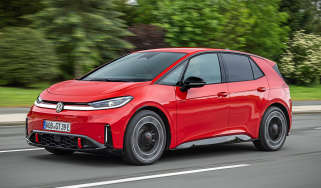
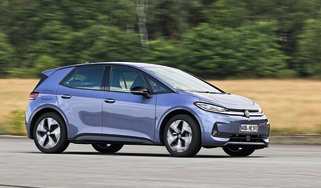
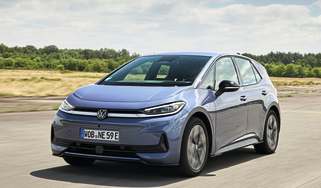
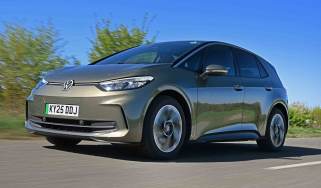
Aiming to right the wrongs of the original ID.3, the Neo introduces Volkswagen’s new ‘Pure Positive’ design language, as seen in the newly-unveiled ID. Polo and ID. Cross. The designers have cleverly retro-fitted the brand’s new grille treatment, connecting the headlamps with a light bar containing an illuminated VW logo. There’s also an all-new interior featuring a much larger digital cockpit, a row of physical shortcut buttons below the main touchscreen and improved interior materials.
Volkswagen ID.3 Neo: prices and specs
Volkswagen’s PowerCo subsidiary has been hard at work to develop a host of new lower-cost lithium iron (LFP) batteries for the automotive giant’s latest slew of EVs – including the ID.3 Neo.
There are now three battery options available – 50kWh, 58kWh and 79kWh – with the first two getting LFP tech. Top-of-the-range cars retain nickel manganese cobalt (NMC) chemistry which, while more expensive, offers improved energy density and better performance in extreme temperatures.
The entry-level 50kWh car starts from £31,580 including the Government’s £1,500 Electric Car Grant – roughly the same as a bog-standard Kia EV3 Air. This, according to VW, is rated for 258 miles on a single charge, making it longer-legged than the outgoing 52kWh base model. Power comes from a 168bhp rear-mounted electric motor, resulting in 0-62mph in 8.6 seconds.
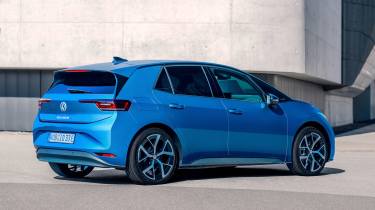
One step up is the new 58kWh model, which costs around £2,400 extra. This boosts range beyond the crucial 300-mile mark and ups power to 187bhp, reducing the time it takes to get from 0-62mph to bang-on eight seconds. The entry-level ID.3 Neo can charge at speeds of up to 100kW, while the 58kWh model gets a slightly higher rate of 105kW; both cars take around 25 minutes to charge from 10 to 80 per cent at a rapid EV charger.
Starting from £35,495 with the Electric Car Grant included, the ID.3 Neo 79kWh is capable of almost 400 miles – 390, to be exact. Not only is it faster on the tarmac – 228bbhp means 0-62mph in 7.1 seconds – but it also gets a much higher maximum charging speed. A 183kW maximum rate means a 10-80 per cent top-up can be achieved in just 29 minutes, despite the range-topper’s much larger battery.
To align the ID.3 Neo with the rest of the line-up, Volkswagen has reorganised the car’s trim structure. There are two versions to choose from, Life and Style, with the latter only coming with the 58kWh and 70 kWh powertrains.
As standard, Life models get 18-inch alloy wheels, dual-zone climate control, keyless entry, adaptive cruise control, front-and-rear parking sensors, a reversing camera, a 10.25-inch digital instrument cluster and a 12.9-inch touchscreen with build-in sat nav, Apple CarPlay and Android Auto.
The Style, which like-for-like costs around £3,000 more, adds larger 19-inch wheels, LED matrix lights with a front light bar, LED taillights, a heated steering wheel and front sports seats, a heat pump, upgraded upholstery, privacy glass and ambient lighting.
Available only at launch is the aptly-named Volkswagen ID.3 Neo Style launch edition. Offered only with the 58kWh powertrain, this starts from £38,250 and builds on the standard Style’s specification with a 360-degree camera system, head-up display, electric massaging seats, semi-autonomous driving functionality and a panoramic glass sunroof.
If you want more power, Volkswagen has confirmed that the rear-wheel-drive ID.3 Neo will get its first GTI version. Set to be unveiled in September, this gets an APP550 motor: no prizes for guessing peak torque will be 550Nm.
What does the Volkswagen ID.3 Neo look like inside?
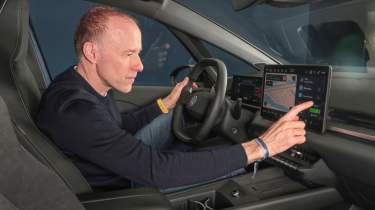
Engineering boss Kai Grünitz agreed that the “biggest jump forward” was in the cockpit. “Straight lines, instead of curves, create a feeling of stability, with higher quality materials,” he explained. VW’s new managers clearly hated the wackiness of the original ID hatch, with its white steering wheel and unpopular haptic switches.
As mentioned, the Neo gets a bank of air-con buttons in the all-new centre console, with hidden stowage for a 13-inch laptop, a dais for two smartphones, two cupholders and a volume knob. And the unpopular selector for operating both front and rear windows is banished, for a simple set of four switches. Conservatism is very much back in fashion.
Stable, likeable and a dash of secret sauce are the ingredients in Volkswagen’s new design recipe. The latter’s flourish is epitomised by the digital cockpit’s selectable retro display, which mirrors an eighties Mk1 Golf’s instrument panel. Ferrari won’t like it, but it offers more than a hint of the much-trumpeted design of its new Luce EV’s cockpit. The VW’s new letterbox driver’s screen measures 10.25 inches, and makes the outgoing ID.3 and ID.Buzz’s displays look prehistoric.
Other cockpit changes include Peugeot-style fabric on the upper dashboard, and proper buttons on the steering wheel to operate cruise control, infotainment and the displays. The passenger cell remains the same, which means excellent rear legroom, and the boot still stows 385 litres or 1,267 with the rear seats folded. There’s a modest frunk too.
Other Volkswagen EVs coming soon
VW has big plans for the electric car market and the ID.3 Neo is just the start. Here's what else is coming soon...
VW ID.Polo – on sale now
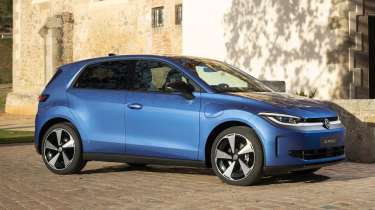
This small one is the big one: an iconic VW, reborn as an electric supermini. New family look, 279-mile max range, prices from £25,555.
VW ID.Polo GTI – on-sale next year
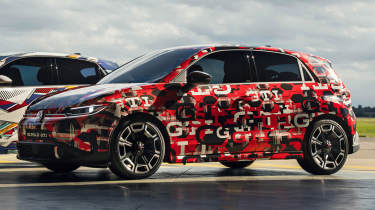
Expect much of the 2023’s concept’s trad GTI goodness to become reality: 20-inch rims, sporty bodykit, locking front e-differential and a 223bhp e-motor.
VW ID.Cross – on-sale next year
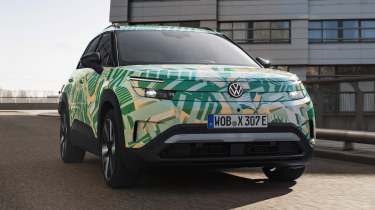
Volkswagen’s electric answer to the T-Cross baby SUV and the Ford Puma Gen-E. Same 52kWh battery as the ID.Polo, but more spacious.
VW ID.3 GTI – September
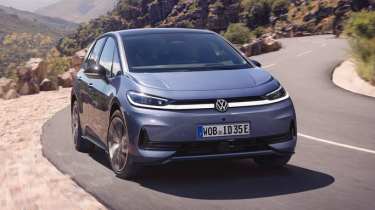
Bye bye GTX, in comes a proper GTI-branded ID.3 GTI. Expect the usual red flourishes, and 550Nm of torque spinning the rear wheels.
New VW ID.4 – October
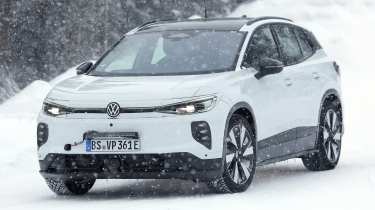
VW’s template is clear: take the ID.4 e-SUV, give it the family face, a less wacky interior, LFP batteries. Crown it with a new name: ID.Tiguan.
Did you know you can sell your car through Auto Express? We’ll help you get a great price and find a great deal on a new car, too.