New Xiaomi Skynomad N70 and N90 SUVs look like a Rolls-Royce Cullinan
Chinese brand is chasing Range Rover with five-seat and seven-seat luxury SUVs that could be on sale here within two years

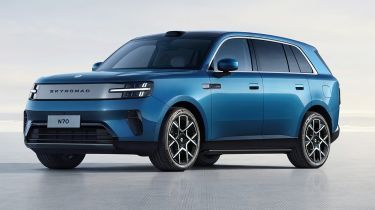
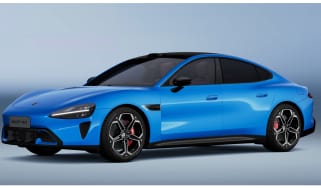
Chinese manufacturing giant Xiaomi is entering new territory with the launch of a pair of family SUVs called the Skynomad N70 and N90. The brand is already well known for its Porsche Taycan-aping SU7 saloon and sporty YU7 crossover, but the new models seem designed to appeal to buyers of the all-conquering Range Rover.
Xiaomi Auto is yet to sell cars in the UK or Europe, but the brand does have ambitions to move into these markets in the next couple of years, meaning the Skynomad pair could be battling it out in the luxury SUV class here before we know it.

The N70 and N90 are, in effect, the same two cars offered in different lengths, and with two different seating arrangements. The N70 sits at just under five metres long and offers two rows of seats, and the N90 comes in at around 300mm longer with three. These sizes are similar to those of the current Range Rover, and that’s not by chance.
The exterior design takes more inspiration from Europe’s flagship SUVs, with a boxy and imperious stance not dissimilar to that of the Rolls-Royce Cullinan, although there’s a simpler and cleaner face with a clear connection to other Xiaomi models thanks to the horizontal running lamps in the middle of the headlights. However, this car is more about the interior, as it’s designed to appeal specifically to Chinese families who buy luxury SUVs in big numbers.
The N90’s three rows of seating come in a 2-2-3 configuration, while the smaller N70 has only two rows, but both layouts are very flexible, with the ability to rotate any of the individual chairs 180 degrees and the option of interior tables and other modular ‘furniture’.
The N70’s second row can be moved back into the luggage space, mimicking the layout of a London taxi and unlocking huge amounts of rear legroom – with obvious compromises when it comes to boot capacity.
The cabin design is surprisingly simple, however, moving away from the dash-wide screens and opulent materials that are becoming increasingly common. Instead, there’s a simple 8.8-inch driver’s display, a 16.1-inch main screen and that’s about it up front. There’s also a comprehensive 20-inch head-up display, which Xiaomi says is designed to act as the main display for driver information, and passengers in the second row have their own 21-inch fold-down screen, too.
Xiaomi has veered away from offering a large static centre console as many of its rivals do, and has instead fitted a movable unit mounted between the seats with a large gap in front, which isn’t dissimilar to the new Volvo EX60.
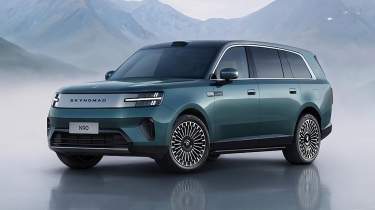
It is also worth noting that while the Skynomads look similar to the likes of the Zeekr 9X or Li Auto L9, they are cheaper and aim to be a better fit for a wider spread of customers, with the Chinese car buying market continuing to be squeezed by a slowing economy.
The other major change for this model compared to its range-mates is the hybrid powertrain, which is the first from Xiaomi. There are two main systems available, with single and dual-motor options both aided by a small and efficient 1.5-litre four-cylinder engine.
The precise numbers vary by model, but the twin-motor is capable of producing 415bhp, completing 0-62mph in 5.5 seconds. This is conservative compared to many rivals, but Xiaomi says this car is more about range and efficiency than performance, and on this the N70 and N90 deliver.
With a 76kWh battery pack (a smaller 58kWh unit will also be available), the N70 is capable of running on BEV power alone for up to 313 miles on the CLTC cycle, or roughly around 250 miles on the more stringent WLTP test. With the batteries depleted, the petrol engine will then wake up and act as a generator, where it should average around 45mpg on the Chinese cycle.
Xiaomi still has no specific timeframe for its intended launch into Europe, but insists it’s aiming to be selling cars here by 2028 at the latest. Both of its existing models have proven to be popular in China, with long waiting lists and lots of online interest. But the Skynomads enter a much tougher segment, where established brands such as Li Auto and Aito already have substantial market share.
In Europe, however, the Skynomad could certainly have appeal as a cut-price rival to cars such as the Audi Q7, Volvo XC90 or even fellow Chinese competitors, the Chery Tiggo 9 and forthcoming seven-seat Jaecoo 9.
If you’re in the market for any of these cars, check out the Auto Express Buy a Car service…