New Volkswagen ID. Cross: 278-mile electric SUV is gunning for Renault 4
The new all-electric Volkswagen ID. Cross is here to take on the small SUV elite, and it's set to cost from £28k

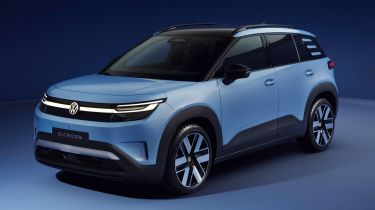
Here’s Volkswagen’s small electric car for families, the VW ID. Cross SUV, with a maximum range of 273 miles. The big brother to the new ID. Polo hatchback is set for UK launch in early 2027, costing from around £28,000.
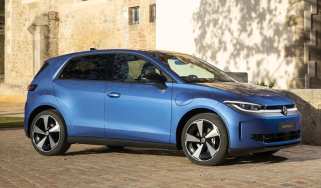
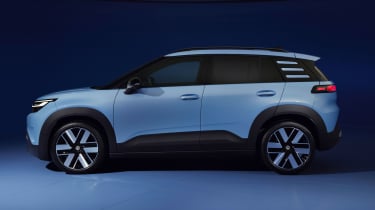
One look at the Volkswagen ID. Cross’s exterior, combining an elevated ride height, plastic body protection and roof rails, makes clear exactly how it’s positioned. “This is one of Volkswagen Group’s electric urban car family, like the ID. Polo,” product manager Florian Schrader told Auto Express. “But it’s a bigger car with more space and more usability. It’s a true SUV, rolling on larger wheels.” They span 17 to 20 inches in diameter.

Think of the ID. Cross as a rival for the Skoda Epiq and Renault 4, and a zero-emissions alternative to Volkswagen’s petrol-powered T-Cross. At 4,153mm long, the new ID SUV is fractionally longer and has an extra 50mm between the wheels, plus it’s wider and taller to boost cabin space. It also has a larger boot, and a 22-litre storage area under the bonnet for the charging cable.
What does the new Volkswagen ID. Cross look like?
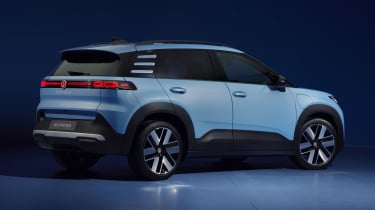
The ID. Cross fits squarely into the new ‘True Volkswagen’ strategy, creating classical bodystyles featuring horizontal lines and easily understood names, rather than the more rounded designs of VW’s ID.3 and ID.4. VW CEO Thomas Schafer has told Auto Express that VW got it wrong with the look, unfamiliar names and digital controls of its first mass-market EVs.
The flagship ID. Cross Style model features full-width lightbars front and rear, illuminated VW badges and whisky tumbler-effect 3D tail-lights. “We tried to make the front end resemble a face: the headlamps are eyes above a smile,” said Schrader. That taps into the new VW design strategy of a likeable appearance, visual stability and surprising details. An example of this is the ‘floating’ roof, segmented by the dark middle and rear pillars: the ID. Cross won’t be offered with contrasting roof paint.
New Volkswagen ID. Cross battery, range and power
Under the skin is VW Group’s MEB+ electric car architecture: 80 per cent of components are shared with the other cars in the family – the ID. Polo, Epiq and Cupra Raval – maximising economies of scale and driving down costs. The four cars offer a choice of two standardised batteries: a 37kWh lithium iron phosphate (LFP) pack and a more expensive, more energy-dense 52kWh NMC unit.
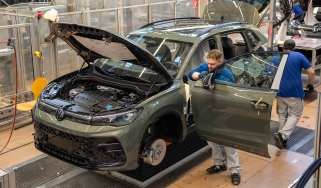
Production starts in October in VW’s factory in Pamplona, Spain, and “we will start with the bigger battery, then come over to the LFP one,” explained Schrader. “Both will be available in short order.”
Big developments compared with the first ID cars is switching the motor from being rear-mounted to spinning the front wheels, and the introduction of a one-pedal driving mode.
The APP290 e-motor is available in three states of tune. The entry-level LFP Trend model musters 114bhp, trundling from 0-62mph in a leisurely 11 seconds. The 37kWh battery is paired with a 133bhp motor in Life and Style trims, shaving the benchmark sprint to 9.8 seconds.
But if you’re ever in a hurry, you’ll need the 52kWh pack and its 208bhp motor, again available with the two upper trims. These versions accelerate from standstill to 62mph in 7.4 seconds. The big battery naturally offers the headline range figure – 273 miles – and the quickest recharging, with its 105kW DC maximum rate replenishing the pack from 10 to 80 per cent in 24 minutes.
The lesser battery is capped at 90kW for DC public charging, with the same 70 per cent top-up taking an extra three minutes. It’s good for about 195 miles on the WLTP cycle. A 52kWh car weighs a minimum of 1,548kg, and there’s only an 11kg weight penalty for the bigger battery, thanks to the standardised cell size and a ‘cell-to-pack’ design, which eliminates the lattice frame found in other IDs.
All ID. Cross EVs have ‘V2L’ capability, with owners able to charge appliances from their car: perfect if you’re camping on top of your ID. Cross, with the roof bars able to withstand a dynamic load of 75kg. The 52kWh version – with its punchier motor – is also able to tow up to 1,200kg. Just don’t expect to make it very far.
What does the VW ID. Cross look like inside?
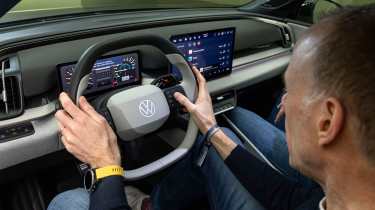
Inside, the ID. Cross shares much with the ID. Polo. The fabric-trimmed lower dashboard section is the same, as are the twin digital screens and the steering wheel – with proper buttons not haptic switches. But above the Style trim’s full-dash lightbar, packing 30 colour variations and extending into the doors, is an upper section that’s taller than the Polo’s and boasts chunky vertical vents befitting an SUV. Occupants operate the air-con using a bank of central switches, as VW responds to a customer revolt against the ID.3’s unintuitive controls.
The front seats are comfortable and owners can option a three-programme massage function, a feature VW claims is unique in the compact SUV class. Another posh option is the 425-watt, 10-speaker Harman Kardon sound system, although its subwoofer eats up a bit of underfloor boot space.
We sat in the rear with Schrader at the sneak preview in Hamburg, Germany, and can report that the ID. Cross has adequate legroom for four six-foot adults, and the flat floor is welcome if a child squeezes in the middle. But we’d recommend the optional panoramic glass roof: it felt a bit claustrophobic back inside.
The boot is a good size, with its 475-litre capacity besting the T-Cross’s by 20 litres. Fold the rear seats flat and the electric SUV can eat up to 1,345 litres of cargo. The rear hatch is opened manually, with VW thankfully omitting a hit-and-miss foot-operated tailgate.
Base Trend models have 17-inch wheels, a seven-speaker stereo, LED headlamps and the variable-height load floor. The Life version upgrades to 18s, twin-zone A/C, a rear-view camera and adaptive cruise control. Aside from the fancy external and interior lighting, the flagship Style ID. Cross also adds keyless entry and start.
Did you know you can sell your car through Auto Express? We’ll help you get a great price and find a great deal on a new car, too.