New BMW 3 Series revealed: petrol-power, i3 design and smaller than an Audi A5
New BMW 3 Series compact exec looks very similar to the i3 EV, but launches with two mild-hybrid assisted petrol engines

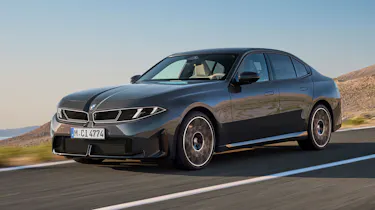
This is the all-new petrol-powered BMW 3 Series, the German brand’s critically important compact executive saloon that’ll sit alongside the all-electric i3 in the range. ICE versions will arrive in UK showrooms in the second quarter of 2027 priced from £44,975.
While the two look similar, the 3 Series and i3 are very different entities under the skin. In place of the new i3’s bespoke electric architecture, the latest ICE-powered 3 Series will retain a platform optimised for petrol powertrains. It’ll arrive in the UK with two engine options, both with a 48V mild-hybrid system.
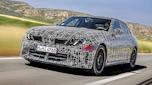
The range of powertrains will expand in future, and we expect to see a Touring estate bodystyle in time, too. For now, BMW’s next-gen 3 Series is poised to take the fight to Audi’s A5 saloon and Mercedes’ recently updated C-Class.
How big is the new BMW 3 Series and how does it compare?
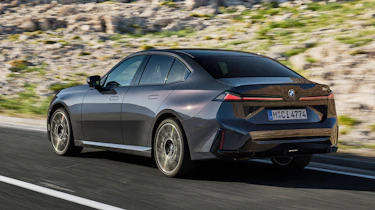
The new 3 Series might share its chassis with the previous generation model, but it’s grown in size. At 4,760mm, it’s 52mm longer than before, yet only 10mm of that is between the wheels. This should unlock slightly more room in the rear seats, but boot space is actually down at 450 litres (30 litres less than the outgoing car offered).
All this makes the new 3 Series quite a bit smaller than the A5 and very similar to the latest C-Class. No official information has yet been revealed about the estate, but previous conversations with BMW’s bosses have confirmed that Touring models will remain a critical part of the 3 Series offering, so we expect to see and hear more about them in 2027.
What engines will be available on the BMW 3 Series?
BMW will launch the 3 Series with only two petrol engines in the UK, both featuring mild-hybrid systems and full compliance with tough Euro 7 emissions standards. The entry-level 320 variant will use a turbocharged 2.0-litre four-cylinder that produces 208bhp and 330Nm of torque.
This will run through an eight-speed automatic transmission powering the rear wheels only, and allow the 3 Series to go from 0-62mph in 7.4 seconds. Despite the mild-hybrid assistance, fuel consumption is rated at just 37.7mpg on the WLTP combined cycle; behind equivalent variants of its key rivals from Audi and Mercedes.
The other option available to buyers is BMW’s £66,785 M350. This model upsizes the petrol engine to a turbocharged 3.0-litre straight-six, increasing the key figures to 420bhp and 580Nm of torque.
Drive is sent to all four wheels, which helps it demolish the 0-62mph time in just 4.1 seconds and go on to a 155mph top speed. When compared to the Audi S5, its main rival, the 3 Series range-topper is nearly 60bhp up, and 0.4 seconds quicker to hit that 0-62mph benchmark.
All of this extra performance doesn’t mean a significant compromise in efficiency, though, as the M350 is capable of up to 34.5mpg on the combined cycle, and has a CO2 rating of 187g/km. BMW has also given this model the ability to decouple the front axle in a ‘Drift’ mode, just like the full-fat M3. A new petrol one of those is also on the way in the next 18 months, and it too will be accompanied by an electric counterpart.
More powertrain options will be available in the future, including a new generation of plug-in hybrids. These should improve on the 60-mile all-electric range of the PHEV 3 Series in its current generation. Don’t hold your breath for diesel options of any type in the UK.
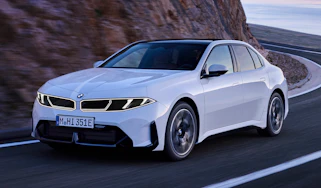
What does the new BMW 3 Series look like?
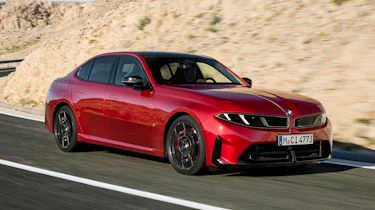
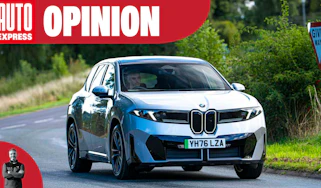
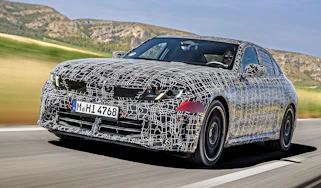
BMW has focused a lot of its energy on making the petrol and electric versions of the 3 Series look as similar as possible, but put the two side-by-side and you can see some key differences.
With a need to package a straight-six powertrain, the bonnet is both longer and lower on the petrol-powered car, and the front windscreen sits at a more upright angle. These changes create an impression that the ICE-powered car is longer than the electric i3, despite there only being 5mm between them.
Most of the i3’s character has been carried across, though, thanks to the inclusion of key features such as the illumination in the front bumper and the same dramatic tail lights. Both Sport and M Sport variants will be available, with the M350 picking up some unique elements such as yellow daytime running lights up front and an aggressive quad-exhaust system at the back.
As per usual, BMW will offer a variety of different wheel designs in sizes between 18 and 20 inches. M350 models also include large coloured brake calipers, plus some further sporty additions such as a lip spoiler and bespoke badging.
What is changing inside the BMW 3 Series?
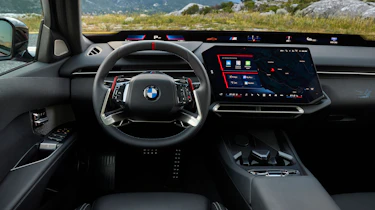
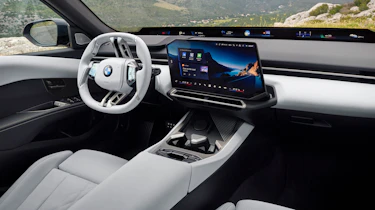
Both petrol and BEV cars are nearly identical inside, which means the 3 Series features the same array of digital interfaces as other new BMW models. This is highlighted by the Panoramic iDrive display that sits at the base of the windscreen and is configurable by the driver to show whatever information they might want.
Access to all the car’s functions is through a huge 17.9-inch touchscreen that sits on a clean dashboard, without any form of traditional instrument cluster or physical controls.
However, while this collection of digital hardware is familiar from other new models in BMW’s range, the software continues to gain new functionality with every model that comes to market. In the 3 Series, improvements include a full hands-off driving capability that will allow you to change lanes just by looking into the corresponding side mirror, as well as partially assisted driving in town.
BMW has also devised a new map view on the main screen that combines the navigation and driver assist functions into one display. Speaking of maps, BMW’s embedded system is standard fit on all models and uses Google data for active elements such as traffic, intelligent route planning and satellite views.
A new cabin architecture also means new design elements we haven’t seen in a 3 Series before, such as a full-length glass roof and, in the case of the M350, a fresh steering wheel design with red paddleshifters.
Did you know you can sell your car through Auto Express? We’ll help you get a great price and find a great deal on a new car, too.