New SEAT Leon ST 1.0 TSI 2017 review
We drive the facelifted SEAT Leon ST with the 1.0-litre petrol engine, but do the punchier diesel options make more sense?

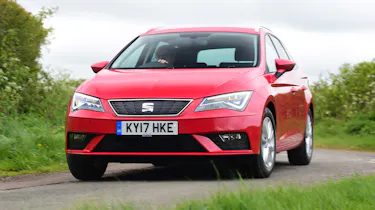

Like before, there’s a lot to like about the SEAT Leon ST. It’s spacious, comfortable, and refined – and fitted with the new three-cylinder 1.0-litre TSI engine it’s good to drive too. However, while a punchy diesel makes perfect sense in a big estate car, the smaller 1.0 might struggle when heavily laden.
SEAT has freshened up the Leon for 2017, introducing a subtle new look, new tech and new engines across the car’s extensive model range. We’ve already driven the five-door hatchback in the UK with a powerful 2.0-litre diesel engine – but now it’s the turn of the more practical ST estate.
The Leon has come in estate form since 2013, adding an extra dose of versatility for those wanting style, space and low running costs in one well-rounded package. Rivals include its Volkswagen Group stablemates – the VW Golf and Skoda Octavia – plus popular models such as the Ford Focus and Vauxhall Astra.
• Best estate cars on sale right now
As before, the Leon ST packs a decent 587-litre boot, which expands to 1,470 litres with the rear seats folded flat. It’s a generous size, but evidence that the rakish styling has taken its toll on the cargo area. It’s got the smallest overall boot space of the three VW Group estates, and it’s noticeably behind market leaders such as the Peugeot 308 SW. In fact, the Peugeot is still the king of outright practicality, with its 660-litre load bay and usefully square aperture. The Leon does offer a handy fold-flat front passenger seat for longer items, however.
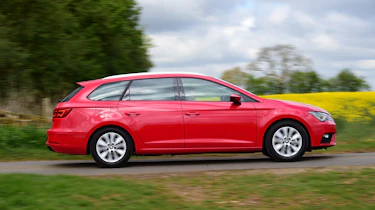
The driving experience has always been one of the Leon’s strengths, and the standard car’s playful character is also present in this estate version. The now-familiar 1.0-litre turbo worked well in the hatch when we tried it on the European launch last year, and it fits nicely in the ST, too.
Used - available now

2025 Audi
A4
30,816 milesAutomaticDiesel2.0L
Cash £20,807
2020 Peugeot
5008
74,517 milesManualPetrol1.2L
Cash £12,212
2017 Ford
S-Max
100,435 milesAutomaticDiesel2.0L
Cash £8,795
2023 Tesla
Model 3 Premium
63,000 milesAutomaticElectric
Cash £15,999The estate version weighs around 35kg more than the hatch, but the dinky three-cylinder doesn’t feel underpowered. Third gear pull is surprisingly swift when you hit the torque band’s sweet spot, and 0-62mph takes just 9.8 seconds.
• New SEAT Leon 2.0 TDI review
We weren’t able to test the ST with a full load, however, and with the boot filled to the brim there’s a danger the 1.0-litre’s usually peppy character could feel more sluggish. Loading up regularly would also put a serious dent in the claimed fuel economy, so if the boot is to be put to serious use, it might be wise to play it safe with a torquier diesel. The 1.6-litre TDI can be had for roughly the same outlay and offers an additional 50Nm of torque.
On the road, body control is impressive. The steering lacks feel but is accurate and nicely weighted, and the six-speed manual gearbox offers a pleasing shift. The balance of ride and handling makes it easy to keep the ST neat and tidy on the UK’s typically narrow and undulating country roads. It’s comfortable, too, making it an accomplished family cruiser.
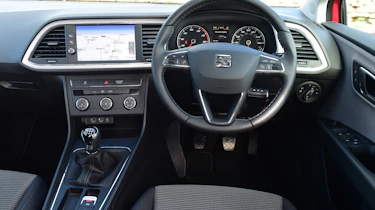
Elsewhere, it’s business as usual. Design alterations are subtle, with a reshaped front bumper and grille, plus new headlight signatures to keep the ST looking fresh. It’s the same story inside, with the cabin design carried over almost unchanged. SEAT has added an electronic parking brake in place of the manual lever, however, revealing a completely flat centre console.
Equipment levels on all but the entry level S model are good. As standard, our SE Technology car came fitted with the larger eight-inch infotainment touchscreen with built in sat-nav. It’s snappy and intuitive to use and comes packed with functionality. Full LED headlights are on the options list until you get to mid-range cars, though.