Used Hyundai Kona (Mk2, 2023-date) buyer’s guide: an award-winning family car
This multiple Auto Express award winner is one of the best family cars around

Verdict
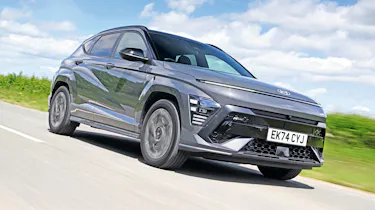
The Hyundai Kona isn’t just another compact SUV. We like it so much that it was our Car of the Year in 2023, our Best Small SUV, and in electric form it bagged our Small Company Car of the Year gong in 2023 and 2024. So it’s a talented machine. We ran a Kona Electric on our long-term test fleet in 2024 and there was pretty much nothing we disliked about it.
Packed with user-friendly technology, practical, reliable and well made, in electric form it was also quick to recharge and not short of range, even if we never saw the 318 miles that Hyundai claims. Take that minor niggle out of the equation and the Kona really is one of the best family cars that you can buy.
Next year will mark a decade since the original Hyundai Kona went on sale in the UK. It topped our Driver Power survey in 2021 and while the ICE editions didn’t excite, the EV that joined the range in 2018 was superb enough to be crowned our Affordable Electric Car of the Year for 2018.
So when Hyundai launched an all-new take on the Kona at the end of 2022, expectations were high – and we weren’t disappointed. Longer, wider and taller than the old car, Hyundai’s new model was better in every way, and even more desirable, new or used.
History
The petrol Kona Mk2 went on sale in April 2023; the Hyundai Kona Electric followed in July. For ICE fans there was a 99bhp 1.0-litre engine or a 136bhp 1.6, both turbocharged and with six-speed manual or seven-speed dual-clutch automatic gearboxes. There was also a 127bhp hybrid option with a non-turbo 1.6-litre engine, offered only with a six- speed dual-clutch transmission.
Used - available now


The Kona EV generally came with a 65.4kWh battery and a 215bhp motor, but the entry-level Advance was also sold in 154bhp form with a 48kWh battery, although a lack of demand led to this particular option being discontinued.
Which should I buy?
For urban driving the 1.0T with an automatic or manual gearbox is fine. This smallest engine is a bit breathless and the 1.6T engine is better, but it doesn’t work so well with the dual-clutch transmission, so we’d stick with a manual. The hybrid option also feels a bit lacklustre, but it’s great at lower speeds. The electric powertrain is the most impressive one, though.
Entry-level Advance trim comes with 17-inch alloys (18 inches on the hybrid), dual-zone climate control, automatic headlights and wipers, LED exterior lighting, cruise control (adaptive for autos), powered folding door mirrors, front and rear parking sensors plus a rear camera, keyless entry, and sat-nav, as well as Apple CarPlay and Android Auto.
The N Line brings 18-inch wheels, a bodykit, heated front and rear seats, ambient cabin lighting, privacy glass, an electric tailgate and wireless phone charging. The top-spec Ultimate adds ventilated front seats, leather trim, an opening glass sunroof, a BOSE hi-fi, plus extra driver-assistance systems.
Prices
You'll be doing well to bag a Kona Mk2 for less than £15k. This buys a 73-plate 20,000-mile 1.0T Advance; all trims are plentiful, the 1.6T engine is much more common than the 1.0T, but most examples are either hybrids or electric.
Konas with the 1.6T engine cost from £16,500 for a 15,000-mile Advance on a 24-plate, but you’ll need at least another £1,000 to secure a hybrid; this powertrain accounts for about half of the cars. Kona hybrids tend to be priced from a bit under £18,000 for a 20,000-mile Advance on a 73-plate.
Kona electrics are on sale at a similar level to hybrids, despite the former costing around £9,000 more than the latter when new. For £17,000 you can buy a 15,000-mile Kona Advance on a 24-plate. It’ll have the smaller battery, but an equivalent car with the 65.4kWh battery can be yours for just a few hundred pounds more.
On the road
You won’t buy a Kona for thrills on the road, but you might do so for how comfortable it is, or how easy it is to drive. The hybrid and EV offer one-pedal driving thanks to their regenerative braking, and it’s those that are the perkiest to drive, although it’s only the electric car that’s truly quick.
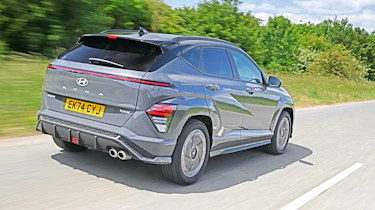
Parking is a doddle, thanks to the over-light steering, but it makes you feel rather detached from the driving experience. Buy an N Line hoping for a bit more involvement and you’ll end up disappointed, because all of the changes are cosmetic – at least the Kona’s comfort levels are not affected.
Alternatives to the Hyundai Kona
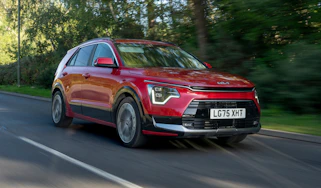
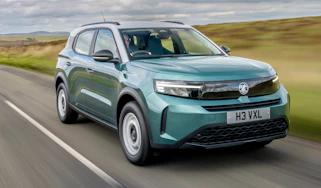
The Kia Niro is related to the Kona, and is also available with various petrol and electric powertrains. That’s also the case with the Peugeot 2008, Jeep Avenger, Vauxhall Mokka, Fiat 600 and Citroen C4 – all Stellantis cars with the same underpinnings.
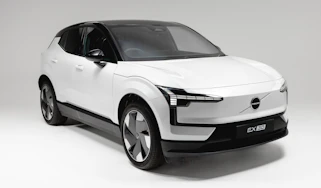
The Volkswagen Group offers the Skoda Kamiq, SEAT Arona and Volkswagen T-Cross, while the Renault Captur is one of our favourite supermini-sized SUVs. We also rate the Ford Puma highly, along with the Toyota Yaris Cross, but also consider the Nissan Juke and Honda HR-V. If you’re buying electric, then look at the Kia EV3, Cupra Born, Skoda Elroq, Volvo EX30 and Alfa Romeo Junior.
What to look for
All the gear
One of the biggest gripes among owners is the dual-clutch automatic transmission, which isn’t as slick as it should be. Progress in stop/start traffic can be disappointingly jerky; software updates can help.
Going spare
All Konas come with a tyre-repair kit rather than a spare wheel of any kind. However, a space saver will fit under the adjustable boot floor of all models; there’s an array of aftermarket wheel options.
Screen time
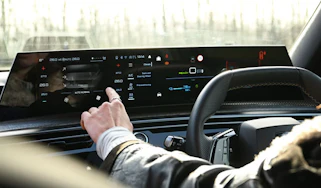
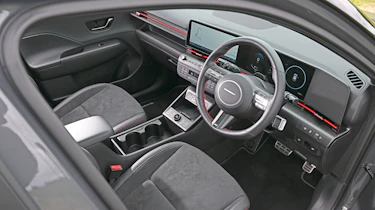
The dashboard consists of two 12.3-inch digital screens, which generally work okay, but they can freeze or lag in use. Again, keeping the software up to date can make all the difference.
On the range
Hyundai claimed that Konas with the 48.4kWh battery could do 234 miles on a charge, while 65.4kWh editions had a 319-mile range. Expect more like 170-220 and 210-260 miles in reality.
Interior
Appealingly designed, the digital dashboard is easy to understand, as is the infotainment, which is very intuitive. The choice of materials is excellent; they have a premium feel, with things improving as you buy further up the range. Passenger space is excellent and so is boot capacity, at 466/1,300 litres for all models, including the EV.
Driver Power owner satisfaction
The Kona Mk2 made its Driver Power debut only this year, in a decent 14th place. There were very few poor scores, but 33rd for the quality of the exterior finish and 45th for the quality of the interior are disappointing. Third for drivetrain smoothness (thanks to EV owners responding) and a first place for all-round visibility are great news, though, while fifth spots for economy and running costs are impressive, as is eighth for powertrains (again, driven largely by EV owners).
Now you can buy a car through our network of top dealers around the UK. Search for the latest deals…
Don't miss out! See more of Auto Express in your Google Top Stories. Click here...