Electric Car Grant explained: ECG discounts, eligibility details and how you get it
You can get a discount of up to £3,750 on an electric car thanks to this Government grant, but which vehicles qualify and how do you claim? We reveal all

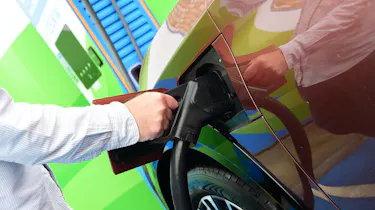
Electric cars are as affordable as they’ve ever been. It’s thanks, in part, to the introduction of the Government’s Electric Car Grant which can help reduce the cost of a qualifying EV by up to £3,750.
Introduced in July 2025 and set to run until March 2030, the Electric Car Grant is only available on brand-new electric car models with a starting price from £37,000 or less and have a minimum battery range of at least 100 miles. Car manufacturers must also meet stringent emissions and sustainability targets to be eligible for the grant.

The ECG is available in two tiers. Band 1 cars are deemed the most environmentally friendly and are eligible to receive the full £3,750 grant, while other models which just about meet these targets fall into Band 2 and receive a smaller grant of £1,500.
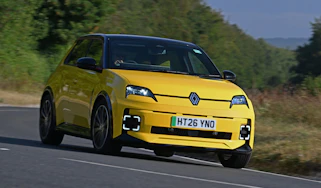
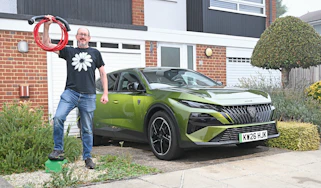
As things stand, in excess of 60 models qualify for the ECG scheme. So far, there are a total of 20 models which qualify for the full Electric Car Grant amount of £3,750, including:
|
|
If none of the cars above quite take your fancy, there’s a growing list of over 50 other models which qualify for the smaller amount of £1,500, all of which are revealed below.
Some of the best-selling and most popular EVs in the UK don’t currently receive the Government grant, though, because they either cost more than the price limit, or they do not meet the strict emissions or sustainability targets. These include the likes of the BYD Seal, Tesla Model Y and Volvo EX30.
We’ve read the fine print of the plan and compiled a complete guide to the new Electric Car Grant. If all this has made you think now is the time for a new electric car, we can help. Our electric car deals page has all the top offers and our parent site Carwow is running a live hub page for the latest EV discounts.
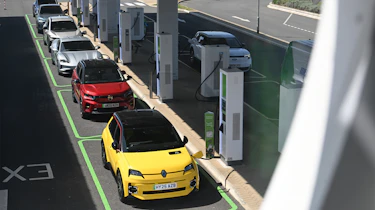
What is the Electric Car Grant?
The Electric Car Grant is very similar to the Plug-in Car Grant (PiCG) that was discontinued in 2022 in the sense that it offers buyers a discount on the price of a new electric vehicle. However, the ECG is a lot more complex than the scheme that came before it.
How much is the Electric Car Grant?
The Electric Car Grant offers two levels of discount for cars costing less than £37,000 and no more than £42,000, allocated depending on how environmentally friendly the government deems each particular model to be.
Band 1 - £3,750
The greenest and most environmentally-friendly cars are awarded the top discount of £3,750 grant, placing them in Band 1.
Band 2 - £1,500
Models just about meeting the Government’s sustainability and emission standards will get £1,500 off and fall into Band 2. Everything else receives nothing.
How the ECG discount is calculated
In order for a car to qualify for the ECG discount, there are strict rules which must be met.
Manufacturers must have committed to Science-Based Targets (SBT) for emissions and already showcased reductions.
Individual models are also ranked on additional factors depending on where their battery was made and where the car was assembled, pulling on data regarding each country’s usage of sustainable energy sources.
The SMMT expects two thirds of the electric cars costing less than £37,000 will get the grant.
How to claim the Electric Car Grant
All you need to know is that you do not need to apply for the ECG when buying an eligible car. All of the paperwork is completed by the manufacturer and the discount is applied to the list price of a vehicle.
Anyone shopping for a new car via Auto Express’ Buy A Car service will automatically see the appropriate reduction from the list price on any model that qualifies.
Which cars are eligible for the EV grant?
Only cars which cost less than £37,000 will be eligible to receive the Government’s Electric Car Grant subsidy, although this is a little more nuanced than it might seem on the surface.
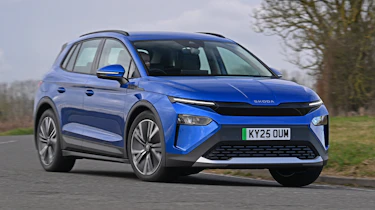
For example, Auto Express’s 2025 Car of the Year, the Skoda Elroq, starts from £33,970 for the SE L 60 model and is therefore eligible for the ECG. However, the Government’s system focuses on powertrain specifications, rather than trim levels.
This means that buyers can step up to the racy-looking SportLine 60 model and still get the grant because, while this starts from £37,820, the cheapest model with the 60 powertrain is in SE L trim, which costs well under the £37,000 limit. Buyers cannot select the 85 or vRS models and benefit from the discount, though, because these start from more than the £37,000 threshold.
That said, the government later introduced a limit of £42,000 for a vehicle's overall specification. This essentially means that the most expensive trim levels, or cars with every option box ticked, may not qualify.
There's also the additional confusion of cars sharing identical powertrains to those eligible for the grant, but costing over the £37,000 limit and still qualifying. Such is the case for the bigger brother of the aforementioned Elroq, the Skoda Enyaq, which despite starting from £39,520, manages to secure the government discount when specified with the entry-level 60 powertrain.
This is all assuming that each car is eligible for the grant in the first place, because the restrictions regarding battery and assembly location – the former having the greatest weighting on sustainability scores – could exclude a vast portion of the market.
Speaking to Auto Express, Professor of Business and Sustainability at Cardiff University, Peter Wells, explained how “the scheme takes a lifecycle carbon cost approach that penalises vehicles or batteries assembled in countries deemed to have an electricity grid with 'high' levels of carbon emissions per kW. This is clearly targeted at China, where coal is still a significant fuel in electric power generation.”
What does the EV grant mean for Chinese electric cars?
Bearing in mind environmental restrictions, we suspect cars hailing from China are unlikely to qualify for the ECG.
While those utilising some Chinese parts, such as the Citroen e-C3, are able to squeeze into the base Band 2 category and receive the £1,500 grant, the likes of BYD have threw in the towel almost immediately; the Chinese giant is now instead offering five years of free maintenance on its EVs and has increased the battery warranty to 200,000km (155,000 miles) or eight years on selected models.
Other Chinese manufacturers like MG and Omoda have also followed suit, introducing their own incentives. This can range from manufacturer-funded grants, dealer contributions and low-cost finance options, all of which help keep them competitive, while enticing new customers in despite not getting the Government funded grant.
Possessing a Science-Based Target Initiative certification is also a major stipulation for grant eligibility; many Korean and European firms possess similar and/or parallel credentials, but were initially unable to get the grant due to lacking a SBT specifically when the grant first launched.
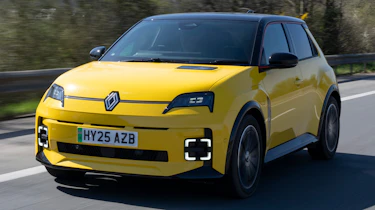
Every EV officially eligible for the Electric Car Grant
At the time of writing, in excess of 60 different models are available for the EV grant:
How many buyers will benefit from the EV grant?
The Government initially allocated a total budget of £650 million for the Electric Car Grant, which would be enough to subsidise around 173,000 electric car purchases at the maximum grant of £3,750 per vehicle.
That's about half the total number of EVs registered in the UK in 2024, so it appears that the fund will be made to last longer by how few cars will be eligible for the top tier of funding.
At the 2025 Autumn Budget, the Government announced that it would provide additional funding of £1.3 billion and extend the Electric Car Grant from the deadline from March 2029 to March 2030.
So far, the Electric Car Grant seems to be working as September 2025 saw a record month for EV sales, with a total of just under 73,000 electric vehicles hitting UK roads. EV uptake also reached 30.0 per cent market share in June 2026, the highest market share seen so far.
Could the EV grant be manipulated?
There are some concerns that those manufacturers offering vehicles that qualify for the grant may manipulate and abuse the system by pre-registering cars and then reselling them or signing up company and demonstrator vehicles for the grant scheme.
The Department for Transport reassured Auto Express that leasing companies, for starters, “must provide a specific user as part of the order documentation, which prevents them from reserving grants unless that vehicle is a genuine sale with a consumer on the other end.”
In regards to manufacturers, the DfT told us that it is "closely monitoring uptake of the scheme to ensure that benefits reach drivers” and pledged to “change the scheme design where necessary to protect taxpayer’s money.” A spokesperson also said exclusion from the scheme and “clawbacks” could be implemented for those not playing by the rules.
Our parent site Carwow has a live page detailing the latest electric car discounts currently on the market.
Want the latest car news in your inbox? Sign up to the free Auto Express email newsletter. If you want to buy an electric car, we can help with that too...
Latest electric car deals